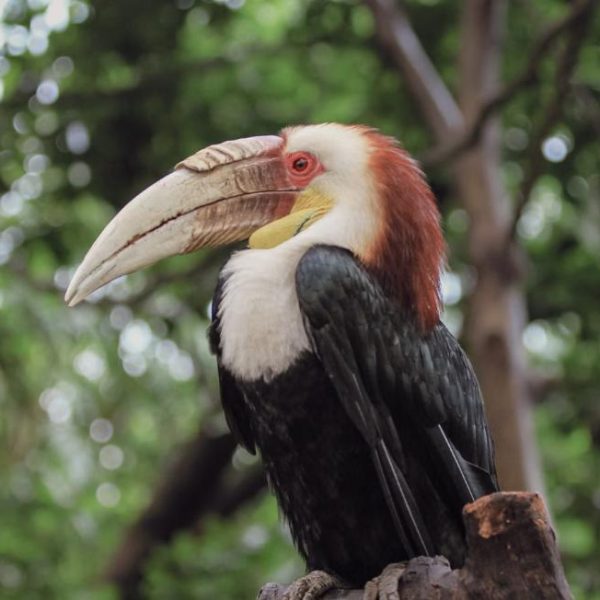
A field biologist in Borneo radios a colleague in Warsaw about a tagged hornbill that just crossed into a neighboring reserve. The signal is clear. The terminology on the other end is not.
Cross border conservation work has quietly become a logistics puzzle as much as a scientific one. Teams tracking migratory species now coordinate across a dozen time zones and just as many languages on any given week.
A single mistranslated survey term can send a field crew chasing the wrong coordinates or misreading a partner lab's population estimate entirely.
Nobody wants a rescue window missed because two research stations were reading the same report differently.
Conservation groups that expand past one country learn quickly that funding and fieldwork are only half the challenge and clear communication is the other half.
Why Remote Coordination Now Depends On Real Interpretation
Wildlife corridors rarely respect national borders and neither do the phone calls that keep a tracking project running day to day.
Research groups juggling partners across several countries increasingly rely on a genuine over the phone interpretation company to keep emergency calls about injured animals or sudden habitat shifts accurate in real time.
A poorly interpreted call about a chemical spill near a nesting site can cost a team the narrow window it has to respond before the damage spreads.
Field coordinators who test an interpretation provider on a routine weekly check in catch terminology gaps long before an actual emergency call happens.
Some larger research networks now keep a shortlist of interpreters who already understand basic field biology vocabulary so nobody has to explain what a transect line is mid crisis.
The Data Sharing Problem Nobody Mentions At Conferences
Population survey data moves between labs constantly and each dataset arrives with its own naming conventions and regional shorthand.
A spreadsheet column mislabeled during translation can quietly corrupt an entire multi year population trend if nobody catches the error early.
Researchers documenting forestry projects in eastern Europe increasingly need accurate polish translation services when local field reports feed into a larger multinational dataset shared with partner universities abroad.
A single inconsistent unit conversion buried in a translated report can throw off a habitat modeling exercise that took months to build.
Research consortiums that standardize their glossary early avoid the slow drift where every new partner lab quietly interprets a shared term slightly differently.
Graduate students handling their first international dataset often underestimate how much translation review a single field season generates before publication.
Field notebooks kept by local rangers often contain the richest observational detail in a project yet those pages are frequently the last thing anyone thinks to translate properly.
A ranger's handwritten note about unusual animal behavior can carry real scientific weight once it reaches a researcher who can actually read it in full context.
What Happens When Teams Skip This Step
Skipping a proper translation review feels harmless when a report is due at the end of a long field season and everyone just wants to move on.
The real cost surfaces months later when a partner organization cites a mistranslated figure in a funding proposal and the error becomes difficult to walk back.
According to the IUCN inconsistent data sharing across borders remains one of the most persistent obstacles facing multinational conservation programs today.
A single flawed translation can undermine trust between partner organizations that took years of joint fieldwork to build.
Program directors who have lived through one bad translation cycle rarely skip careful review again because the cleanup afterward tends to cost far more time than the shortcut ever saved.
Permits And Paperwork Move Slower Than The Animals
Species that cross international boundaries often trigger a wave of permitting paperwork long before any researcher actually follows them across a border.
Export and import permits for tagged specimens or tissue samples require precise language that customs officials in another country can verify quickly.
Regulations tied to the CITES framework require documentation that matches exactly across every language a shipment passes through on its way to a partner lab.
A single ambiguous phrase on a permit can hold a sample at a border checkpoint for weeks while officials request clarification from an overseas sender.
Research groups that build in extra lead time for permit translation avoid the scramble that happens when a shipment window closes faster than expected.
Building A Process That Keeps Pace With The Fieldwork
Programs that expand into new countries eventually start treating translation as a standing budget line rather than something arranged at the last minute.
That early planning gives a translator time to flag ambiguous field terminology before it becomes part of a published dataset other teams will cite for years.
A shared glossary between partner labs keeps species names and survey methods consistent across every joint report a project publishes.
Programs that rotate translation partners for every new country often end up with inconsistent terminology that reviewers eventually flag during publication.
Smaller nonprofits without a dedicated translation budget sometimes lean on a bilingual volunteer instead which works fine for casual updates but rarely holds up once a formal report needs to withstand outside scrutiny.
Larger programs that track spending closely find that a small recurring translation budget costs far less over a full season than the emergency fixes needed after a rushed report goes out with errors.
Research networks that build long relationships with the same translation and interpretation partners see fewer data disputes and cleaner joint reports with each new season.
Field coordinators who plan interpretation coverage months ahead of a joint survey avoid relying on whoever happens to be reachable during an actual emergency.
A translation partner who already understands conservation terminology saves a program from re explaining the same scientific context every time a new report comes through.
The team tracking the hornbill in Borneo had already solved this problem months earlier by building a standing relationship with an interpretation partner who understood both the science and the urgency behind a late night call.
When the bird finally settled into the neighboring reserve both research stations were reading the exact same data the whole time.
The lead researcher later admitted that early investment in proper interpretation had changed how her team approaches every cross border season since.